The FIFINE AmpliGame AM8 gives new podcasters and streamers a straightforward USB setup, with an XLR connection available for a later move to an interface or mixer.
This fifine usb/xlr dynamic microphone for podcast recording review looks at the practical tradeoff: its onboard controls and lighting work over USB, while XLR is the simpler path for integrating with external audio equipment.
FIFINE AM8 Review Summary
The quick verdict
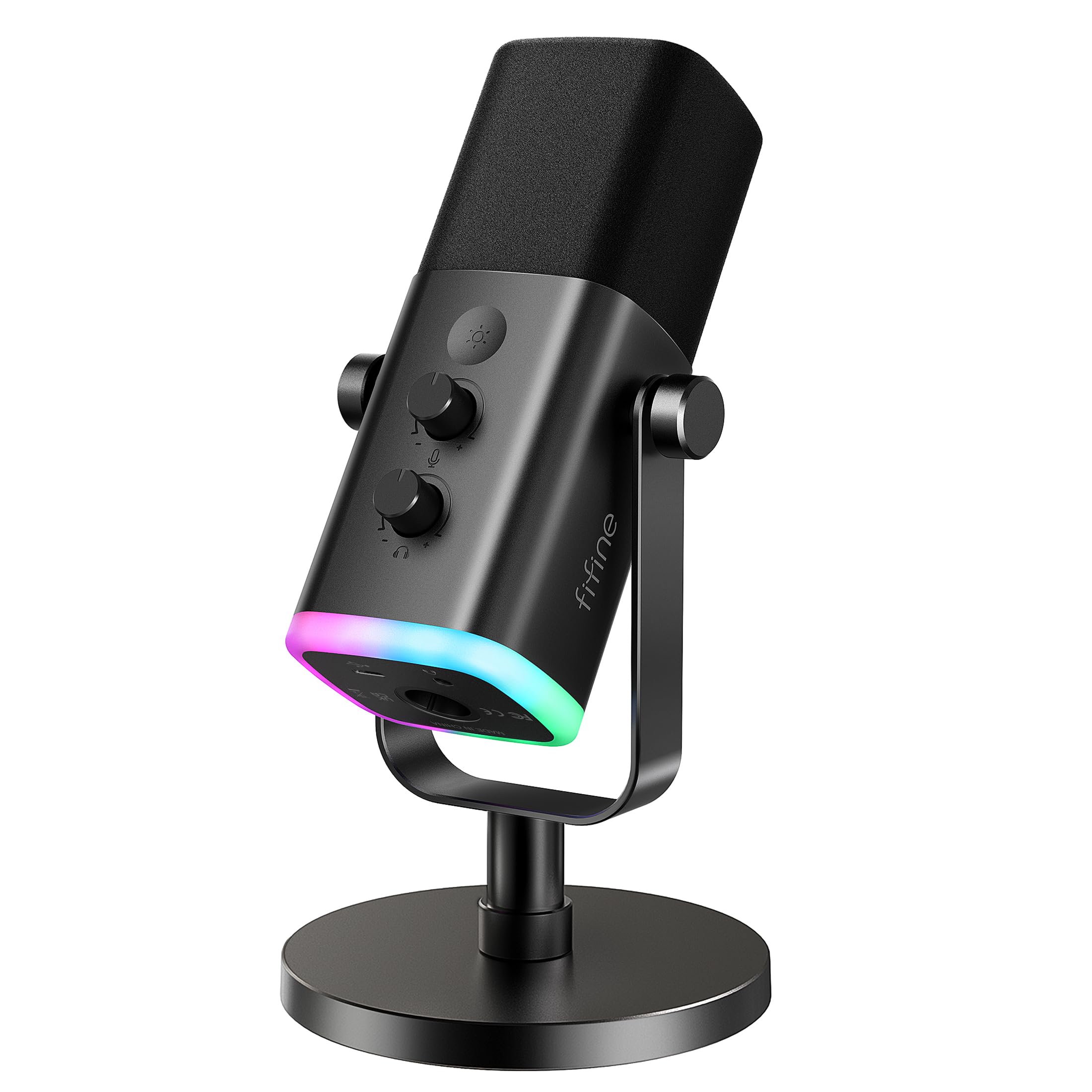
12,000+ ratings
Read Amazon ReviewsFIFINE AmpliGame AM8
A practical fit for creators who want USB convenience, optional XLR expansion, and hands-on mute, monitoring, and RGB controls.
- USB and XLR connectivity: USB is intended for direct connection to a computer; XLR requires a separate cable and an audio interface or mixer.
- Cardioid dynamic pickup with a stated 50 Hz–16 kHz frequency response.
- End-address design, with suggested placement about 2 to 6 inches from the sound source.
- USB controls include tap-to-mute with an LED reminder, a gain knob, and headphone monitoring with volume adjustment.

Pros
- USB mode combines direct setup with useful controls located on the microphone.
- The XLR connection leaves room to move to an interface or mixer as a recording setup develops.
Consider before buying
- USB features such as RGB lighting and onboard function keys are inactive over XLR.
- XLR use requires an additional cable and an audio interface or mixer, so it is not a complete XLR recording setup by itself.
Read the full review summary
The AM8 is designed to cover a range of desk recording needs without requiring an interface from day one.
In USB mode, it provides tap-to-mute with a light reminder, headphone monitoring, a monitoring-volume control, a gain knob, and controllable RGB lighting.
Its cardioid dynamic design is intended to focus on a speaker positioned in front of the microphone and reduce pickup from off-axis directions.
It can also move into an XLR setup, but that requires a separate XLR cable and an audio interface or mixer.
The onboard RGB and function keys are inactive in XLR mode, so the AM8 is most compelling for buyers who value an easy USB start and expect the option to change their recording chain later.
The supplied guidance recommends speaking toward the top of the end-addressed mic from about 2 to 6 inches away.
The buying factors
FIFINE AM8 Scorecard
Editorial scores reflect listed features and buyer fit; they are not laboratory measurements or customer ratings.
Connection flexibility
USB supports a direct computer setup, and XLR provides a route to an interface or mixer. The XLR cable and external equipment are separate requirements.
USB controls
Tap-to-mute, a mute reminder, gain control, and headphone monitoring volume are available in USB mode.
Recording setup simplicity
USB is described as plug-and-play, making it a convenient starting point for everyday podcasting or streaming.
Positioning and pickup guidance
The cardioid pattern and suggested close speaking distance give buyers a clear starting point for desk placement.
Setup customization
Three RGB modes and more than ten colors can be selected over USB, with the chosen lighting setting remembered.
Long-term setup fit
The XLR connection supports a more expandable setup, though USB-only controls and lighting do not carry over to that mode.
Key Features and Specifications of FIFINE AM8
- USB and XLR connectivity: USB is intended for direct connection to a computer; XLR requires a separate cable and an audio interface or mixer.
- Cardioid dynamic pickup with a stated 50 Hz–16 kHz frequency response.
- End-address design, with suggested placement about 2 to 6 inches from the sound source.
- USB controls include tap-to-mute with an LED reminder, a gain knob, and headphone monitoring with volume adjustment.
- USB RGB lighting offers three modes and more than ten colors, with a memory function for the selected setting.
- Built-in 3/8-inch and 5/8-inch metal threads are intended to fit many microphone stands without an adapter.
Pros and Cons of FIFINE AM8
Pros
- USB mode combines direct setup with useful controls located on the microphone.
- The XLR connection leaves room to move to an interface or mixer as a recording setup develops.
- A cardioid dynamic design and close-mic guidance give desk users a straightforward placement starting point.
- Selectable RGB lighting and a memory function let USB users coordinate the mic with a desktop setup.
Consider before buying
- USB features such as RGB lighting and onboard function keys are inactive over XLR.
- XLR use requires an additional cable and an audio interface or mixer, so it is not a complete XLR recording setup by itself.
- The suggested 2-to-6-inch speaking range calls for close placement, which may not suit buyers who need to keep the microphone farther away.
Who Should Buy FIFINE AM8?
Good fit
Consider the AM8 if you want a dedicated desktop microphone for podcasting, streaming, gaming chat, or voice recording and prefer to start with a direct USB connection.
Its tap-to-mute control, gain adjustment, and headphone monitoring can make routine adjustments accessible without relying only on computer or recording software.
It also makes sense if you expect to add an interface or mixer later.
The built-in stand threads offer a mounting option to check against your existing stand, and the supplied close-placement guidance helps set expectations for how to position the mic at a desk.
Who should skip it
Look elsewhere if your preferred setup depends on retaining the AM8's onboard lighting and function keys while connected through XLR; those controls are available only over USB.
Also account for the separate cable and interface or mixer when planning an XLR setup.
It may be a poor fit if your recording position requires the mic to stay well beyond the suggested 2-to-6-inch range. Consider how you will mount and position it before choosing it for a fixed desk layout.
How the FIFINE AM8 Fits a Podcasting Setup
USB first, XLR when the setup grows
The two connection options serve different stages of a recording setup. USB is the direct route for computer use, while XLR can connect the mic to a mixer or interface.
Since the onboard RGB and function keys are USB-only, buyers should decide whether those controls matter more than keeping the same workflow across both connection types.
Close positioning shapes the desk setup
The AM8 is an end-address microphone, and the product guidance suggests placing it 2 to 6 inches from the sound source with its top facing that source. That makes stand reach and desk position worth considering before purchase.
Its built-in 3/8-inch and 5/8-inch threads are intended to fit many stands without an adapter, but check that your chosen stand suits your space.
Onboard monitoring and mute controls
In USB mode, the headphone jack supports real-time monitoring, with a separate control for monitoring volume. The gain knob offers a physical adjustment on the mic, and tap-to-mute is paired with an LED reminder.
These features suit users who want quick access during a live session, though the description does not specify software controls or detailed monitoring behavior beyond these functions.
Lighting is a USB setup feature
The RGB ring has three modes and more than ten color options, and the lighting setting is remembered after power is turned off. This can help the microphone match a gaming or streaming desk.
Treat it as a USB-specific convenience: the lighting and function keys are inactive when using XLR.
Alternatives to FIFINE AM8
Multipurpose Dynamic Microphones alternative
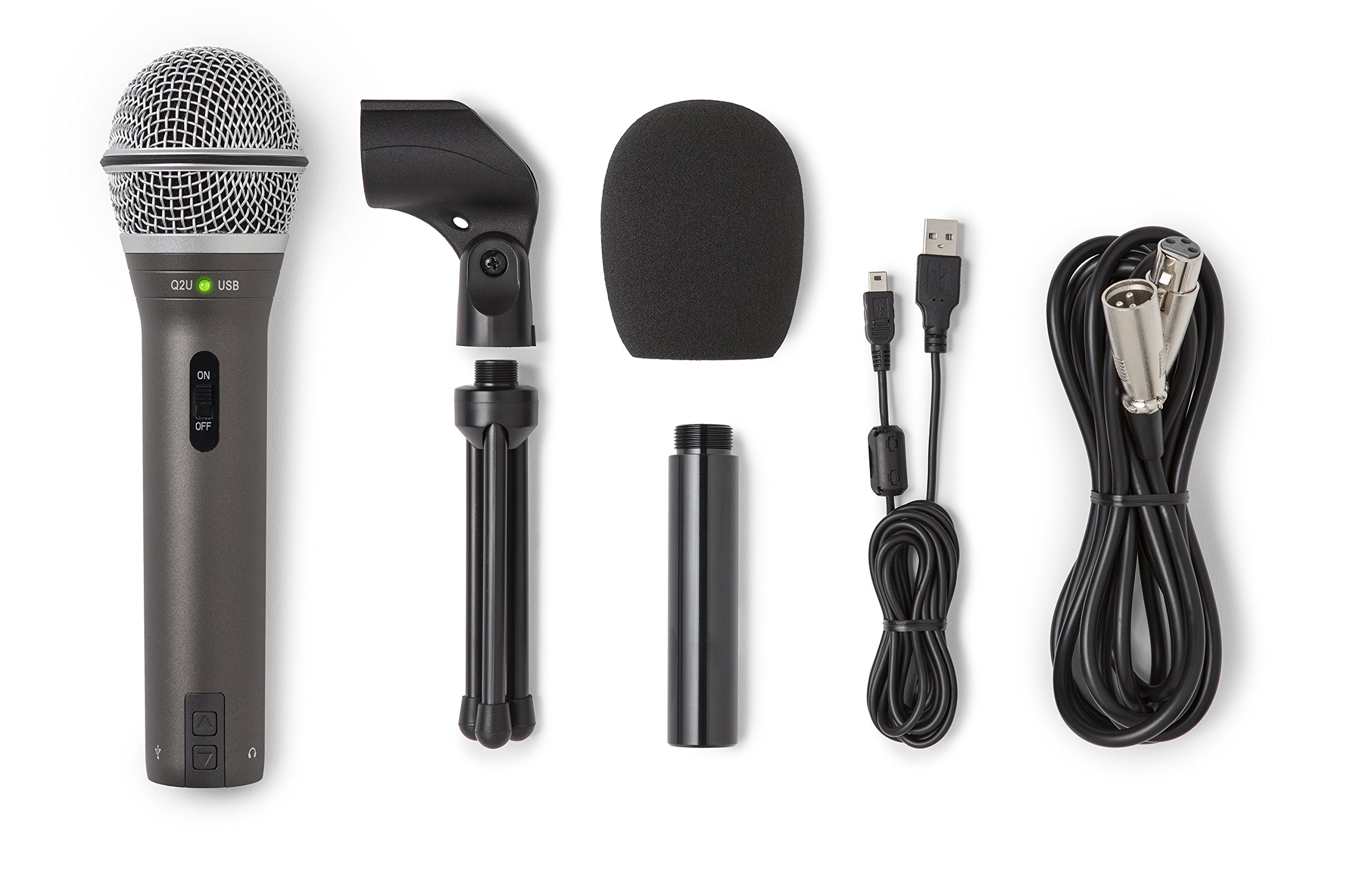
5,000+ ratings
Read Amazon ReviewsSamson Q2U
Choose the Q2U if a handheld format and a listed set of setup accessories, including both cables, better match your needs. The AM8 is a stronger fit when its USB RGB and onboard controls are priorities.
- The Q2U is a handheld USB-C/XLR dynamic microphone. Its listed pack includes a desktop tripod stand, tripod extension, mic clip, windscreen, USB-C cable, and XLR cable.
- The AM8 combines USB and XLR connections with USB-only RGB, tap-to-mute, gain adjustment, and headphone monitoring.
Multipurpose Dynamic Microphones alternative
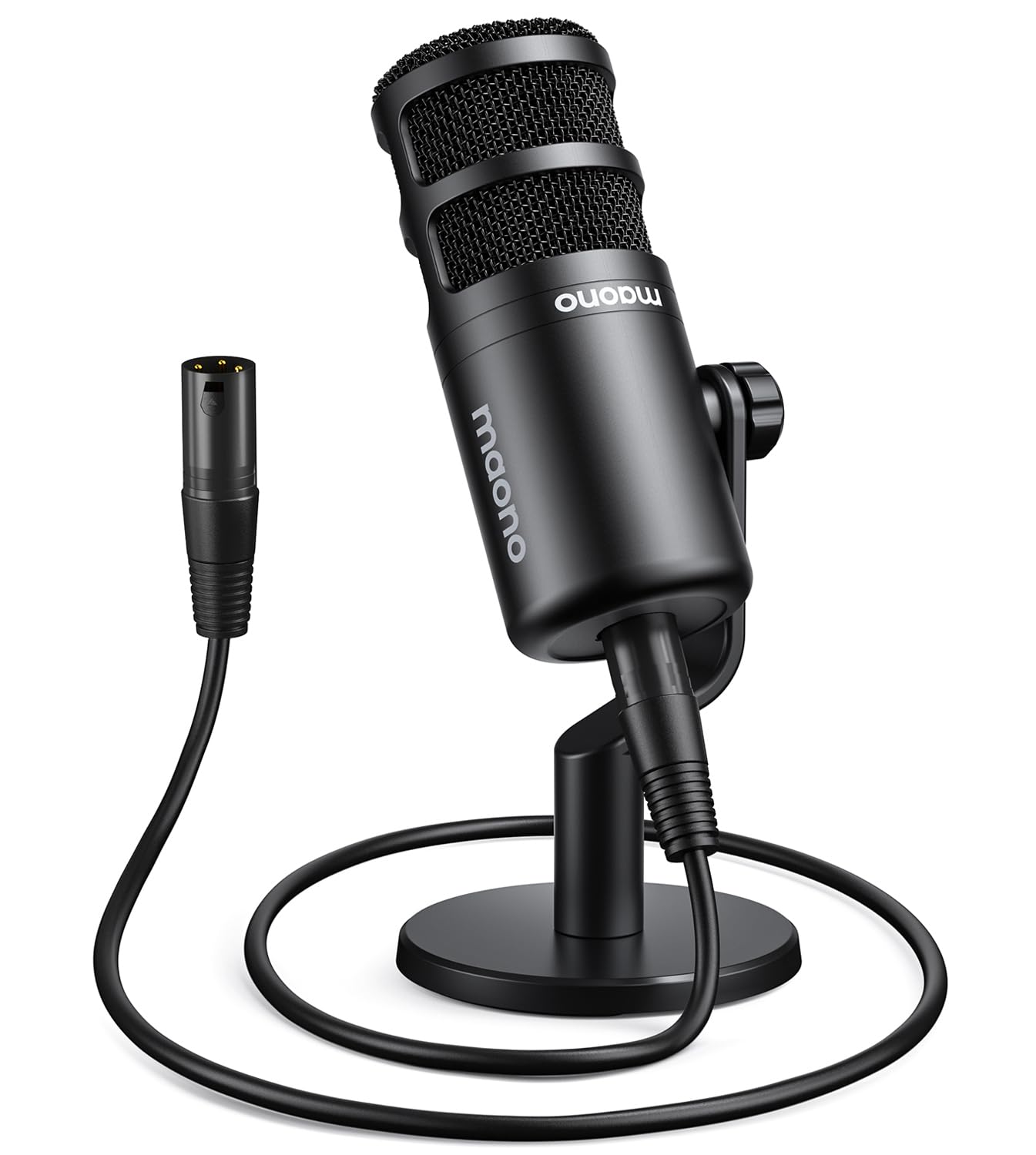
800+ ratings
Read Amazon ReviewsMAONO PD100
Consider the PD100 if you already plan to use XLR equipment and prefer a listed desktop stand and cable in the set. The AM8 better suits someone seeking direct USB use as well as an XLR option.
- The PD100 is an XLR-only cardioid dynamic microphone with a metal body, built-in pop filter, desktop stand, rod extender, round metal base, and XLR cable.
- The AM8 offers USB and XLR connections, with its mute, gain, monitoring, and RGB controls available in USB mode.
Is FIFINE AM8 Worth It?
The FIFINE AmpliGame AM8 is worth considering for a creator who wants a USB microphone with practical onboard controls and an XLR route for a later setup change.
Its close-positioning guidance and stand threads also give desktop buyers useful details for planning placement.
Choose it with the connection-mode tradeoff in mind: its lighting and function keys work over USB, while XLR requires a separate cable and interface or mixer.
If those conditions suit your workflow, the AM8 offers a flexible starting point for podcasting and streaming.
Your review at a glance
12,000+ ratings
Read Amazon ReviewsFIFINE AmpliGame AM8
A practical fit for creators who want USB convenience, optional XLR expansion, and hands-on mute, monitoring, and RGB controls.
- USB and XLR connectivity: USB is intended for direct connection to a computer; XLR requires a separate cable and an audio interface or mixer.
- Cardioid dynamic pickup with a stated 50 Hz–16 kHz frequency response.
- End-address design, with suggested placement about 2 to 6 inches from the sound source.
- USB controls include tap-to-mute with an LED reminder, a gain knob, and headphone monitoring with volume adjustment.